
The Dungeon Master's Guide to Leading People
Spoiler alert: It's OddballLeadership.com LOL
If you've been reading this newsletter for a minute, you probably saw this one coming.
I've been playing Dungeons & Dragons for a couple years now — and seeing as how roll-based mechanics for making business decisions have made their way onto my team, amongst other things, the evidence that it's my whole personality is pretty clear.
 Bri Gerzevske
One thing I haven't talked about here is my favorite role at the table, and what it has quietly taught me about leading people.
That role is Dungeon Master — or DM, for those of us who casually say it at parties and watch people slowly back away.
WELCOME TO THE TABLE
Here's what you need to know, if you don't already: D&D is a collaborative storytelling game where a group of players create characters and go on adventures together.
At the center of it all is the DM — an additional player at the table who builds the world, lays the groundwork, and works alongside everyone else to help them achieve their goals as they advance a larger mission together.
No script.
No guaranteed outcomes.
Just a world you built and a table full of people with intentions you don't know and actions you can't predict.
Shameless plug: If you want to see me in action, check out this episode of the Lutheran Ladies' Lounge podcast.
CAMP BONKASONK AND THE BEST LAID PLANS
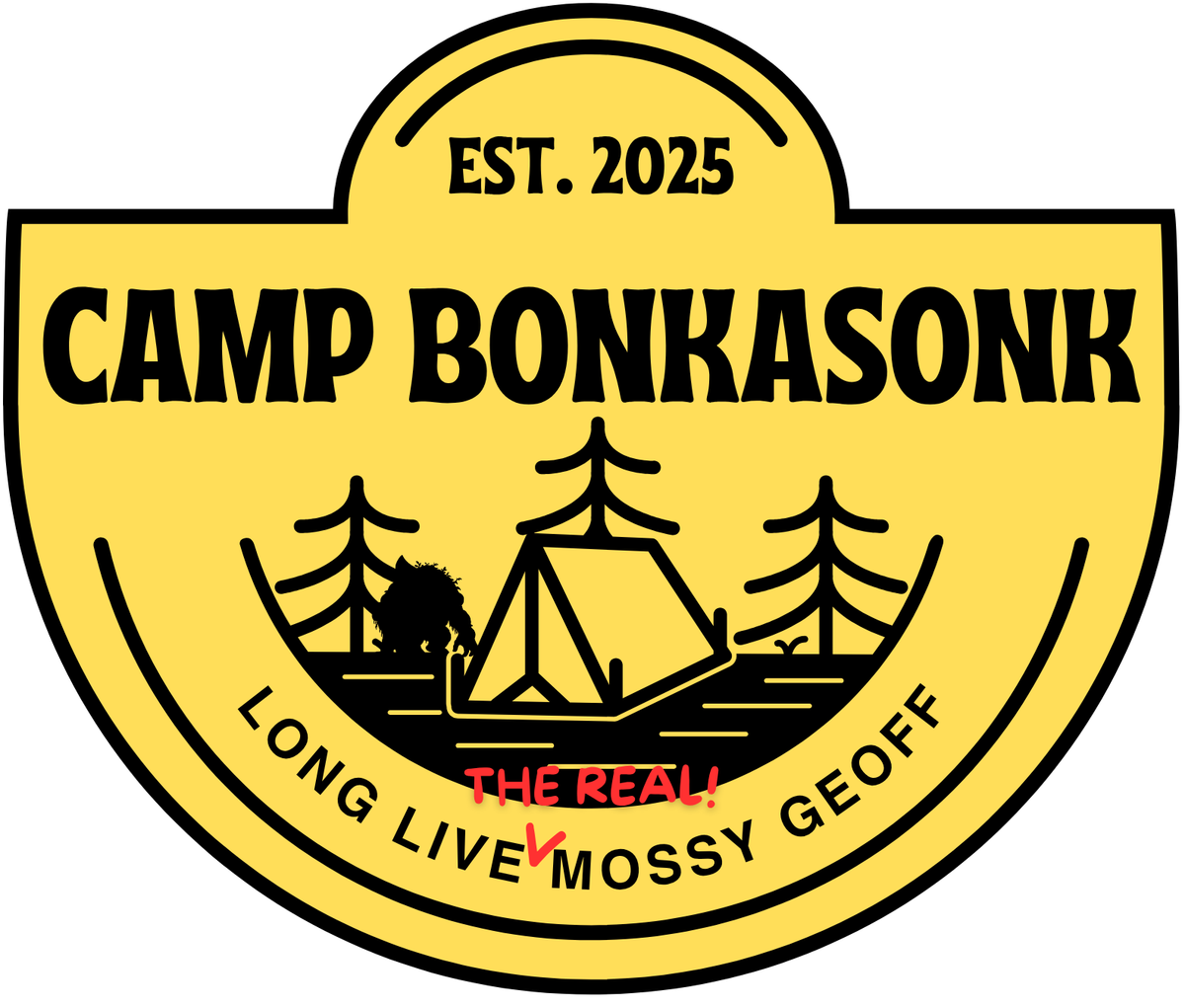
Last year I started running my own homebrewed campaign — set at Camp Bonkasonk, an enchanted summer camp. Very Bug Juice meets Salute Your Shorts meets Hogwarts.
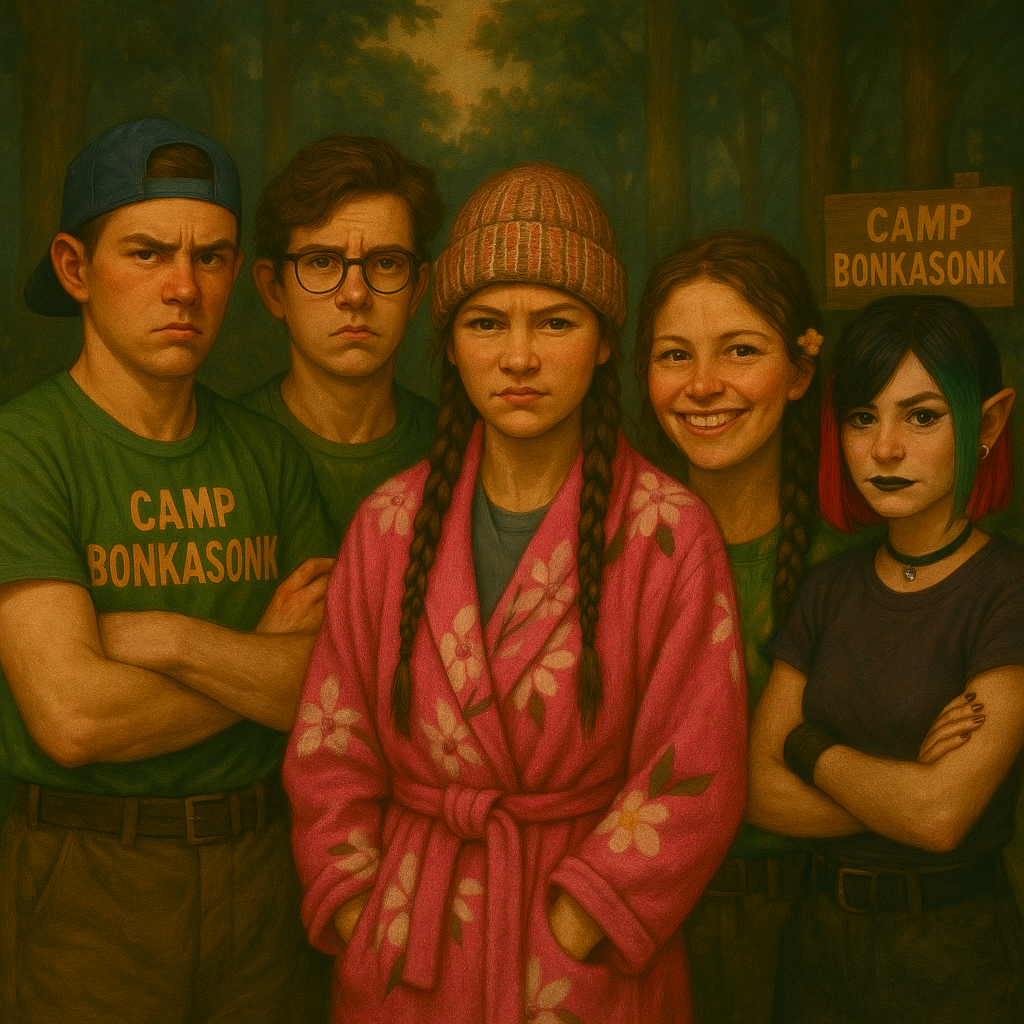
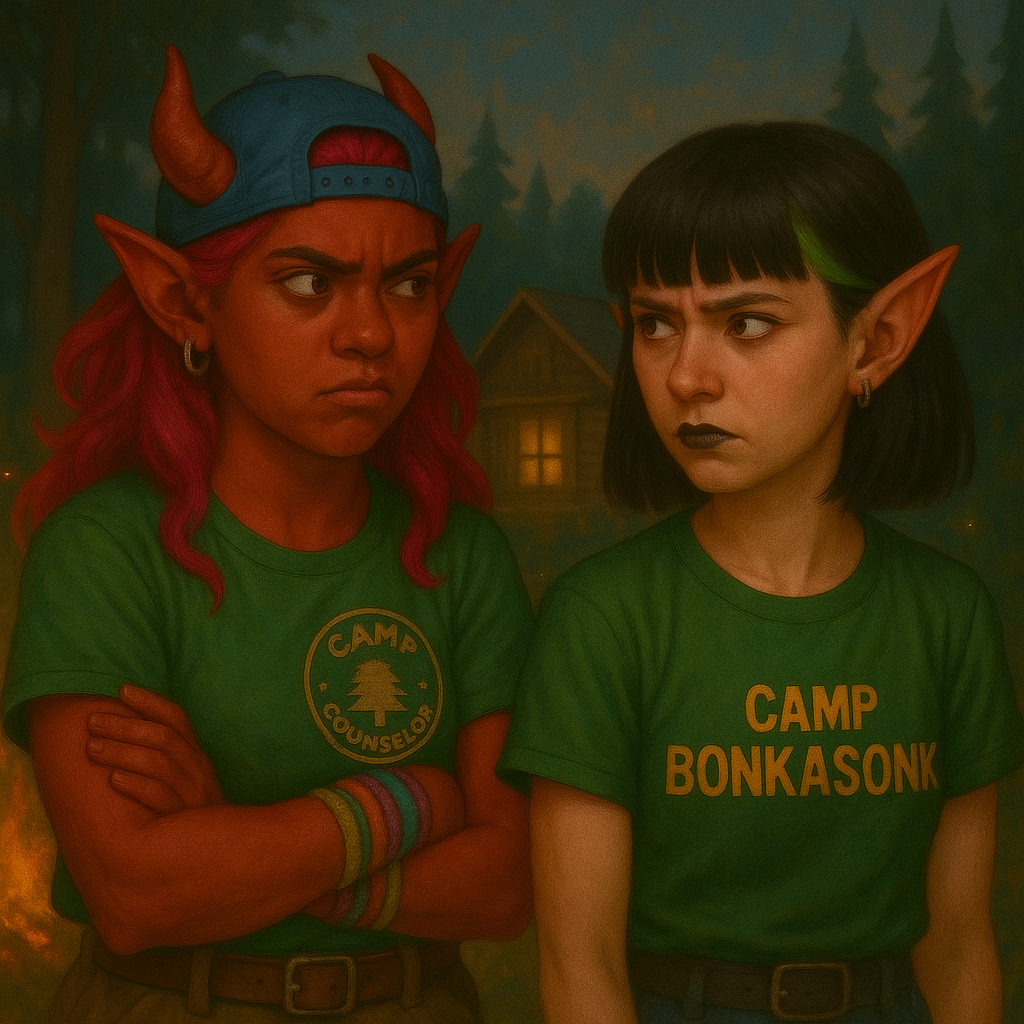
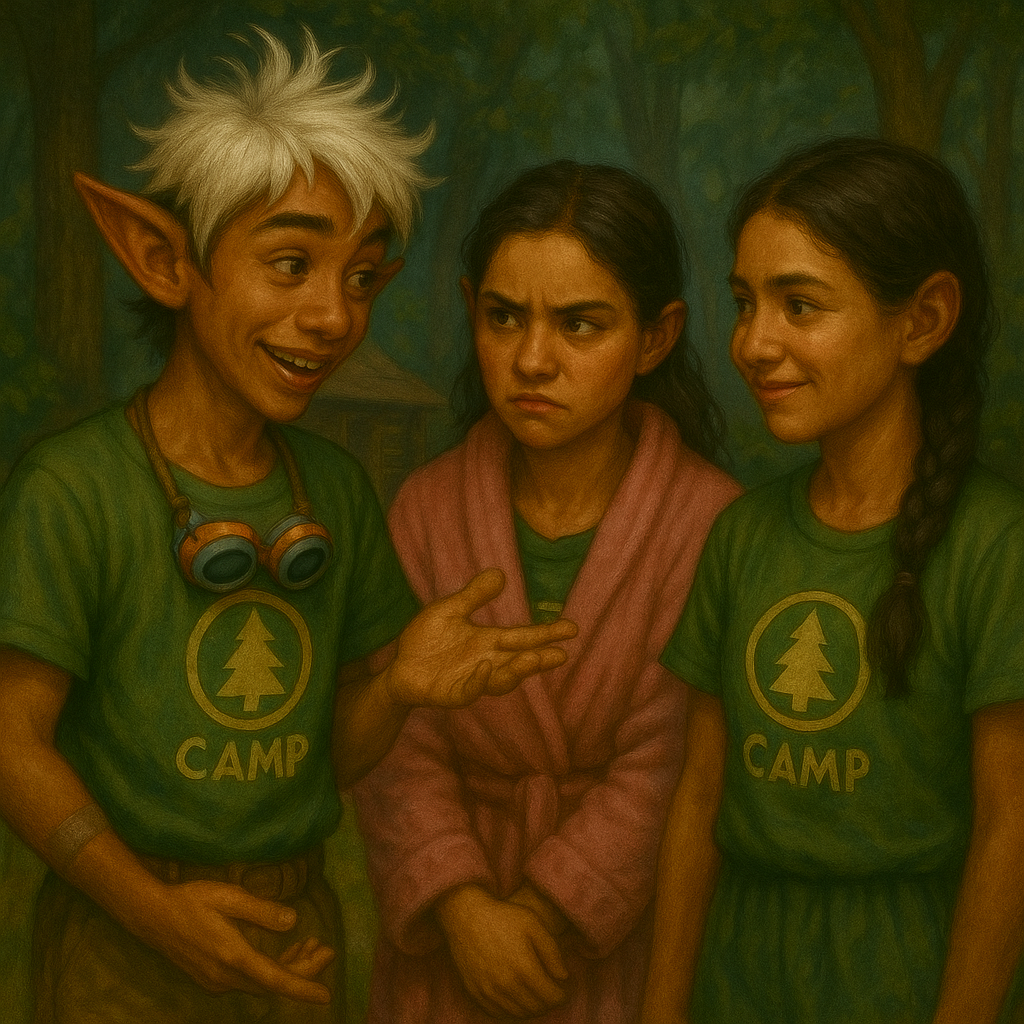
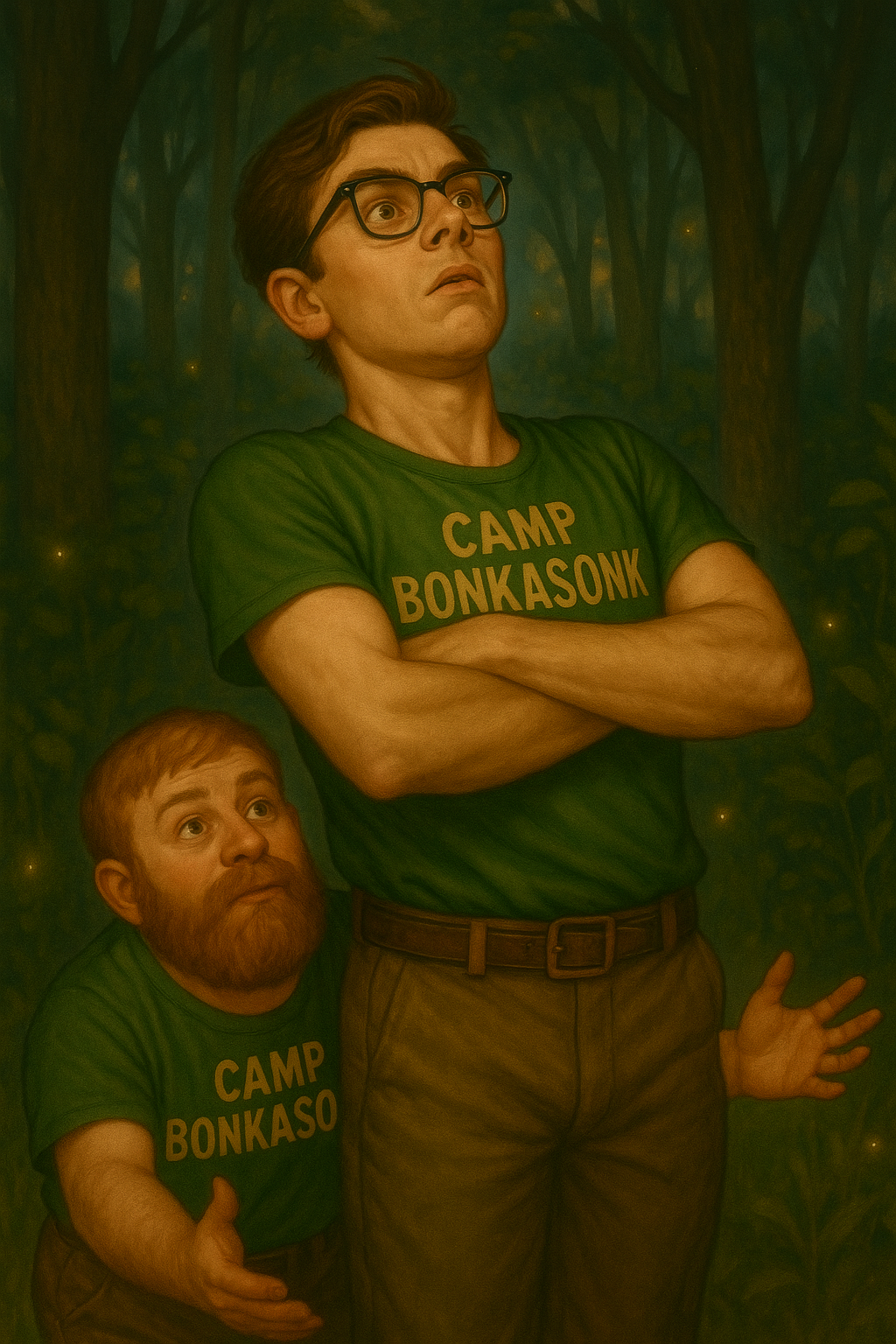
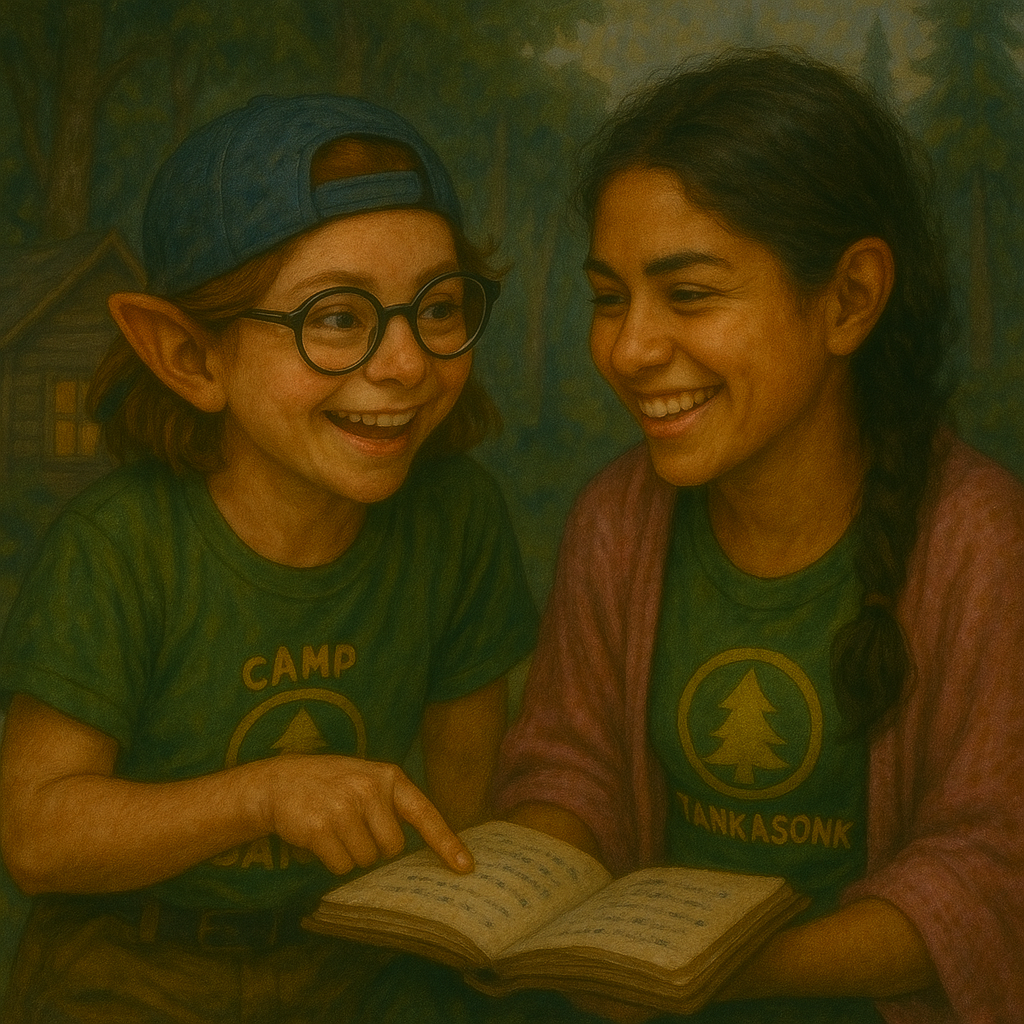
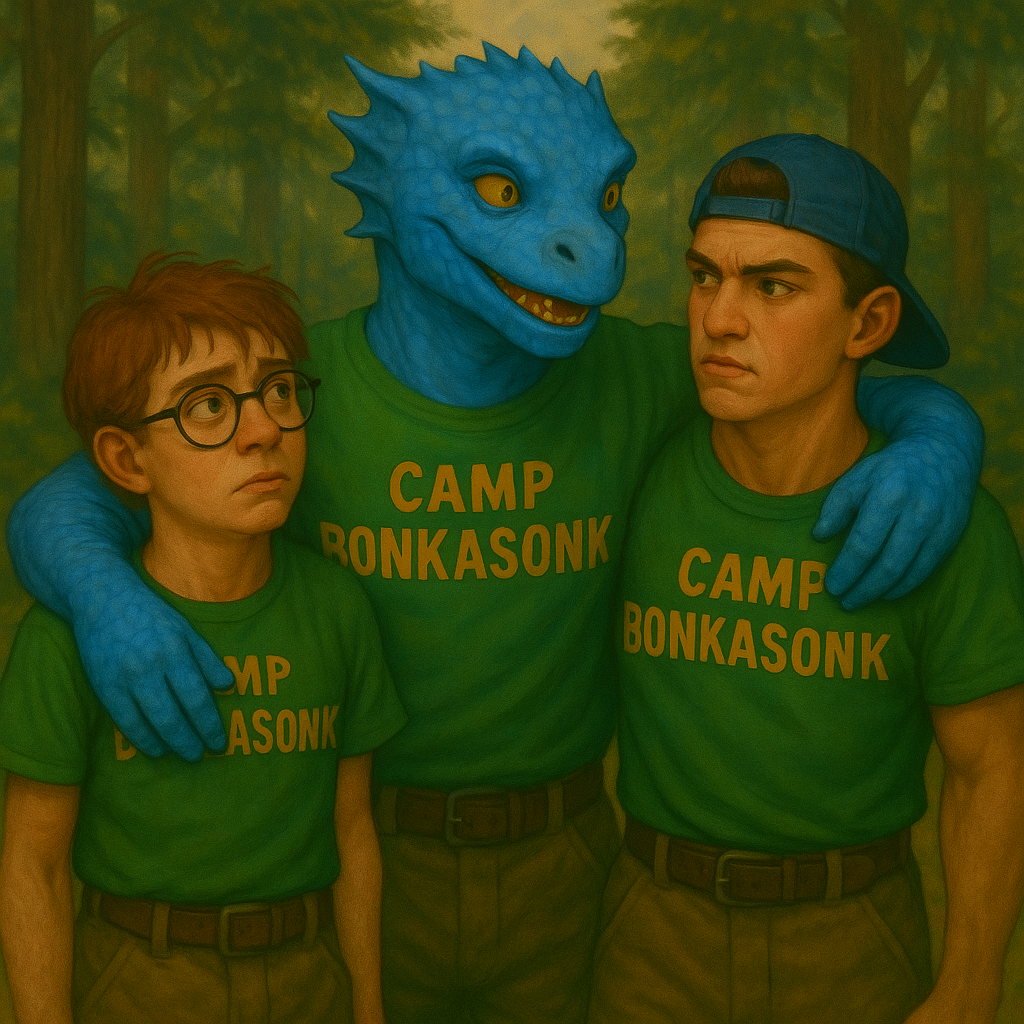
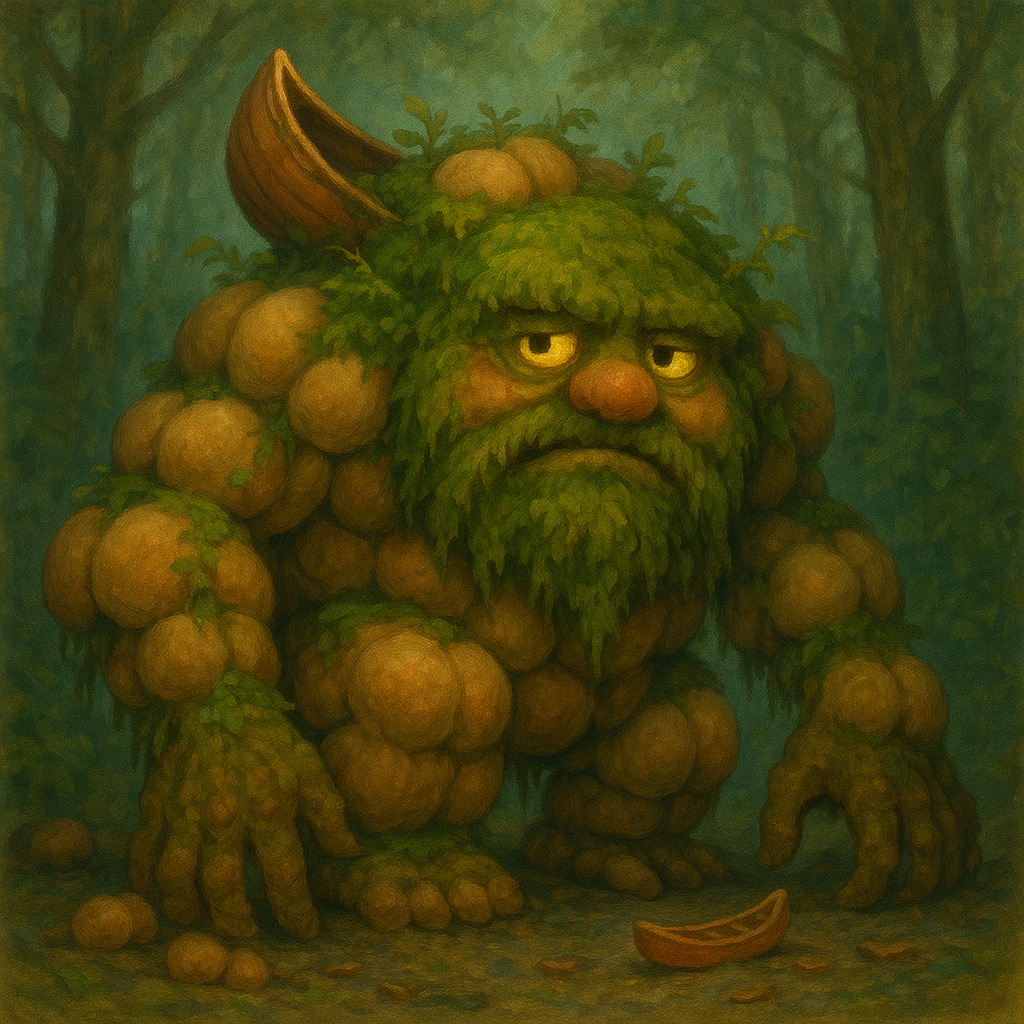
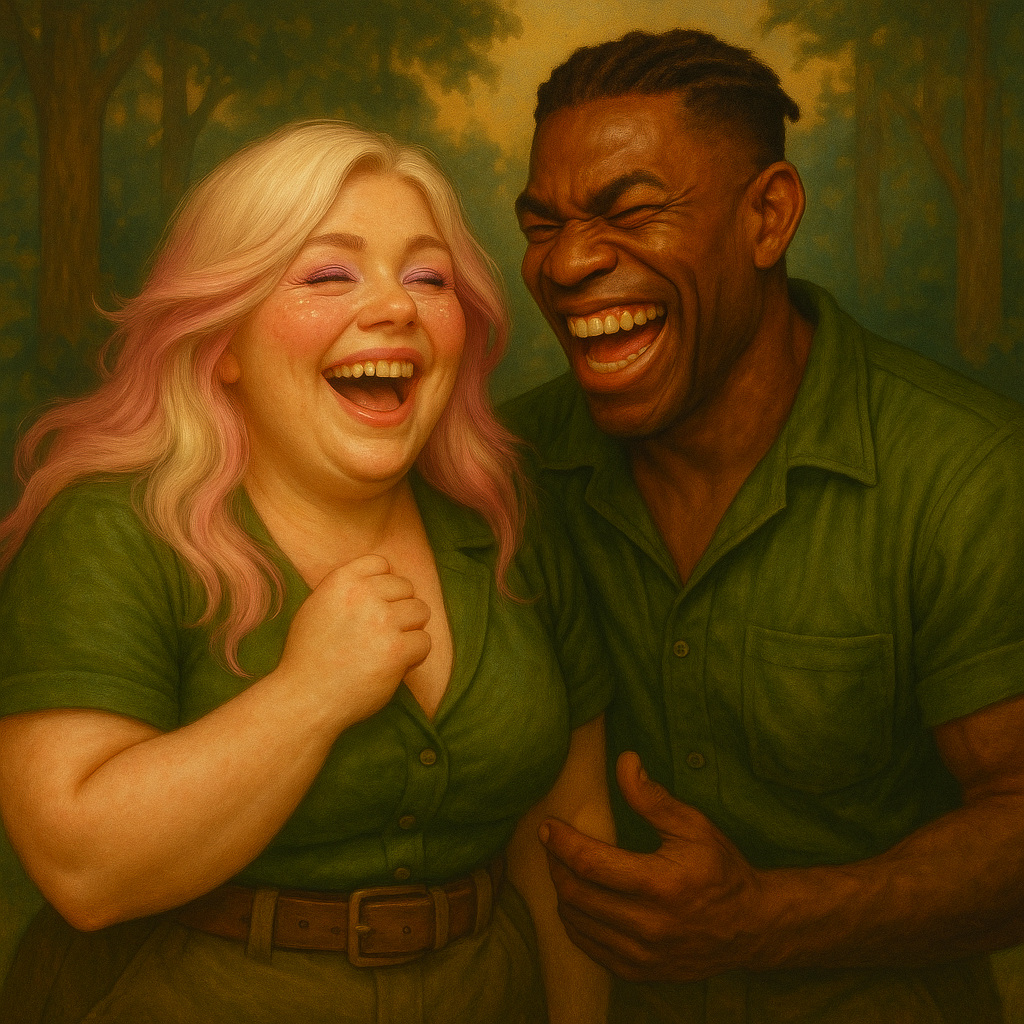
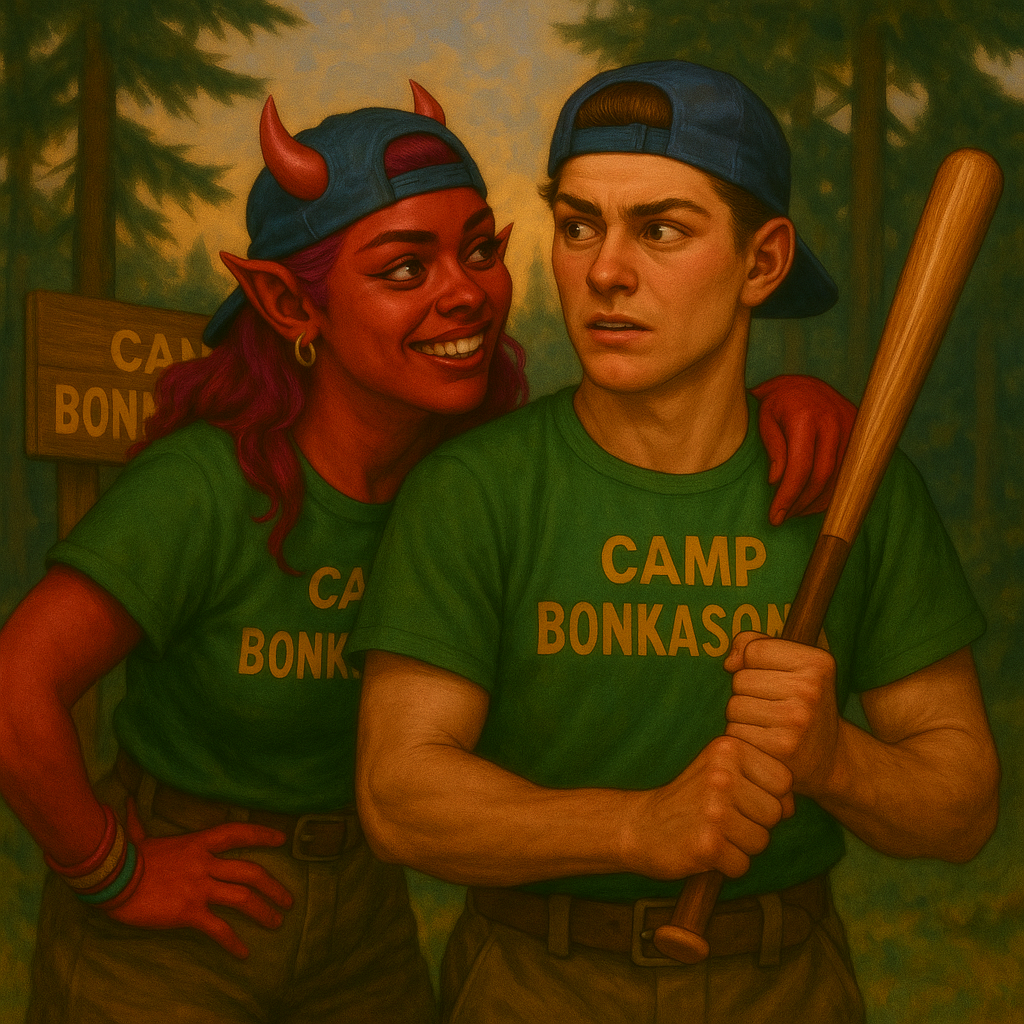
I wasted so much water using AI to generate all these images last year and I don't think I am even sorry.
Building Camp Bonkasonk has been, genuinely, one of my greatest joys. I've woven a rich tapestry of NPCs with deeply complex backstories, tomes of lore, relationship webs, and a forest cryptid named Mossy Geoff who is a giant walking butt made out of butts. (Don't ever let your adult players design characters using mad libs.)
Last year's campaign was full of carefully placed clues designed to move the story forward. I was ready to wow my players with what I'd toiled endlessly on.
And then we started playing.
- My players fixated on details I invented in thirty seconds.
- When there was a jilted goddess on the verge of breaking into existence from the evil Mirror Realm, the table wanted to row their characters to the middle of the lake and push each other out of canoes.
- When two NPCs were supposed to have a heartfelt moment, one player wanted to play matchmaker instead — although in their defense, that pair was very shippable.
- My husband (bless his heart) plays a "tragic" runaway teenager — I use quotes because everything is a tragedy when you're a teenager — and tried to escape into the forest every fifteen minutes. Every. Session.
So I found myself retrofitting their ideas into a story I'd already written. It was exhausting. And I had to ask myself: was it even fun anymore?
But then I realized something.
In my obsession with the carefully curated experience, I forgot something important:
It's not about me.

If this kind of content resonates with you, I write all about Oddball Leadership every week!
No spam, no corporate jargon. Just real leadership, observed in slightly (or very!) strange ways. 😎😎😎


